Sarah-Louise Miller, The Women Behind The Few: The Women’s Auxiliary Air Force and British Intelligence during the Second World War (London: Biteback Publishing, 2023). RRP: £25.00.
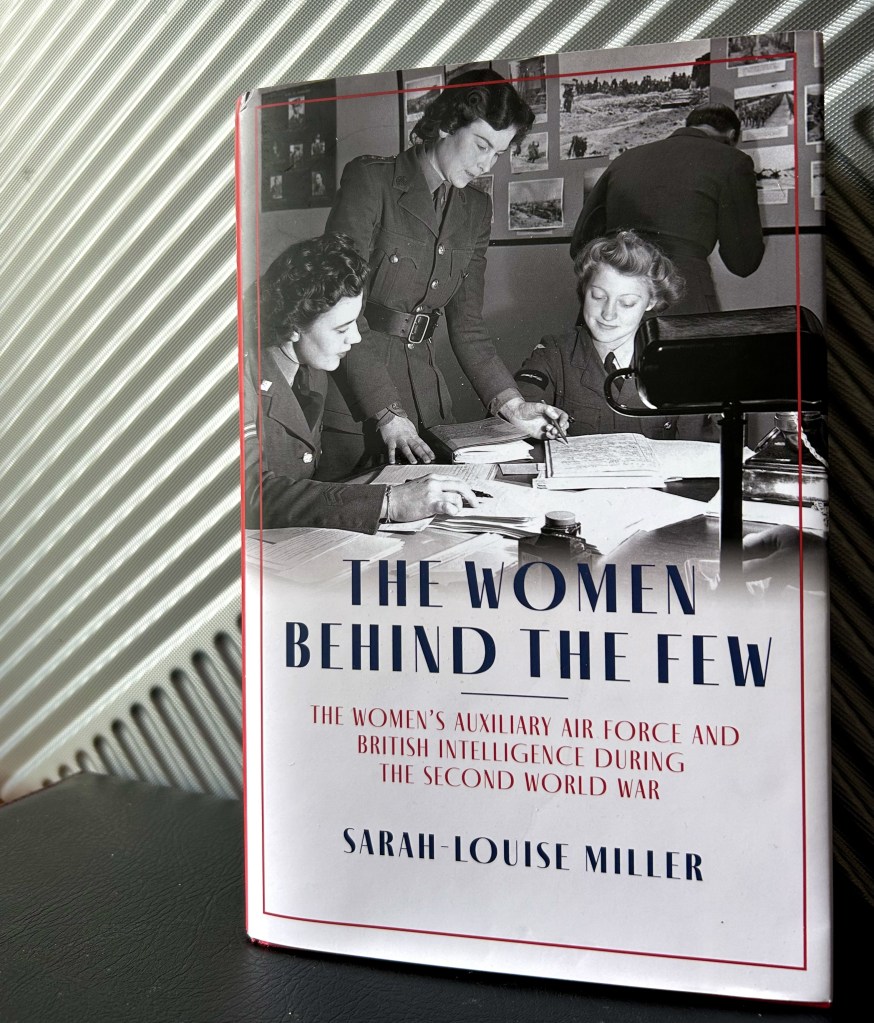
In a speech to the House of Commons on August 20th 1940, Winston Churchill famously said “Never in the field of human conflict was so much owed by so many to so few.” Studies of both fighter and bomber command during the Second World War are full of heroic stories of the brave men who took to the Sky to defend the nation in its hour of need. One factor which remains neglected in these studies is the role of the Women’s Auxiliary Air Force (WAAF). Until now. In this new groundbreaking book, Dr Sarah-Louise Miller shines a light on the bravery of countless women who joined the WAAF during Britain’s darkest day and their role in aiding the allies to victory in 1945.
By July 1943, the WAAF contained 181,000 women which made up 15.7 per cent of the total strength of the Royal Air Force (RAF). In this study, the reader is provided with a detailed insight into the various roles undertaken by the WAAF, assessing a range of locations in which they were based, from the cliff tops of the South coast to Bletchley park. Miller analyses the skill sets, knowledge and physical and mental abilities required from the WAAF as they conducted their work as radar operators, photographic intelligence interpreters, interrogators and many more. In some scenarios, lives were in their hands as they worked tirelessly to ensure the famous ‘few’ returned safely to Britain, while others proved instrumental in the success of technology such as the Dowding System. The study shows that for ‘the few’ who took to the air, it was a ‘great comfort’ to know that the WAAF were working hard to guide them home and keep them safe.
However, Miller demonstrates that despite the changes in the attitude towards women in British Society, the attitude towards women in the military and intelligence world had failed to keep up with the development in society and the attitude towards women in the early stages of the Second World War were little different to those of the First World War. From the outset, women faced many challenges including claims that women in uniform would ‘undermine the morale of male soldiers’ and that because of ‘physical and emotional weakness’ women would be unable to complete the tasks required. Furthermore, in analysing the propaganda of the time, Miller assesses how women were pictured as gossipers who were a security risk as they would leak secure information. The reality of this is far different. Women of the WAAF demonstrated how secrecy was so well adhered to that most of them had no idea what their close colleagues would be working on. In some cases, they never spoke of their work to anyone for years after the war, with some families not aware of their relations earlier connection with the WAAF. There proved to be a huge misinterpretation of what women would be able to achieve in military and intelligence roles but by the end of the war, members of the WAAF had demonstrated how crucial they were to the allied victory and showed that they were more than capable of completing the so-called ‘men’s jobs’.
Using oral history interviews and assessing memoirs produced by those in the WAAF, Miller throughout this study provides the reader with individual insights into various women who served with the WAAF. One of those stories looks at Molly Sassoon. After her initial training, Sassoon went on to specialist courses focusing on language and intelligence matters. She was the youngest and most junior of the 23 officers on the advanced intelligence course and the only woman. In the exam, she finished second demonstrating her immense capabilities. The reader is also provided with the often overlooked role of the WAAF ‘behind the line’. Through various accounts, Miller identifies some of the heroic women who took to France providing a vital link between Britain and the Resistance effort, as well as providing the allies with valuable information on the occupied territory. The risks were well known, and many were arrested and killed, but as Miller shows this did not deter them from carrying out their duty. Stories like that of Molly Sassoon and those who went behind the line, build a developed understanding of the difficult conditions and challenges that these women faced. Miller demonstrated the ‘just get on with it’ mentality taken on during the war as members of the WAAF carried on through the hardship knowing that the free world depended on it.
Through extensive research, Miller superbly sheds light on the forgotten role of the WAAF during the Second World War, highlighting their bravery, courage and resilience in a time when they faced the challenge not only of the war itself but the fight for equality. In doing so, the WAAF have finally received the recognition and publicity they deserve for without them, as Air Chief Marshall Rosier notes, the war ‘might have been very different’.

 Elliot Clark HISTORIAN
Leave a reply to Tim Maunder Cancel reply